
Jack and the Argonauts – by Grace Heathcote
ISLAND | ONLINE ONLY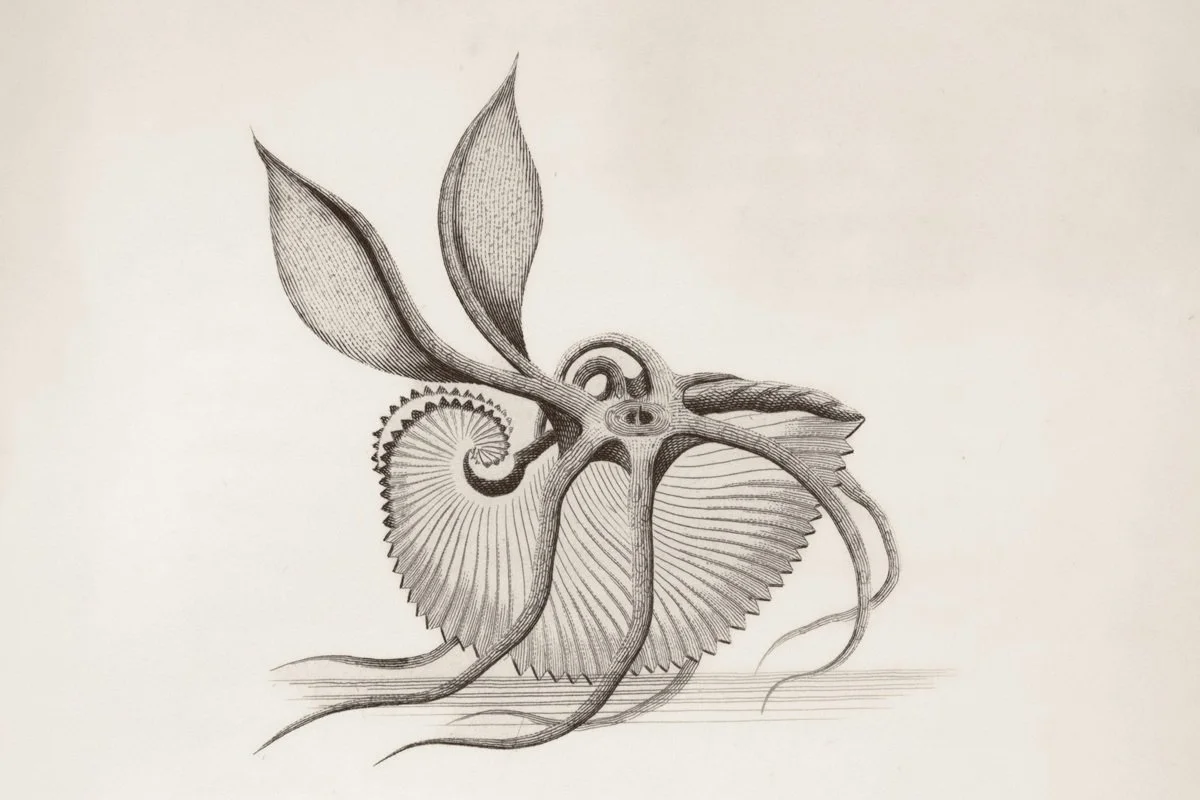
He has hiked this stretch of sand hundreds of times, eyes scanning left to right, right to left. Today, a line of cockle shells transects his gaze, little white sails surfing a cresting wave of sand, frozen in place by the last high tide. He shoves two into his pocket and listens, pleased, as they clink and grind in time with each step.
…
They used to walk this beach together every morning. On their last morning they’d mucked around near the water’s edge, daring each other to hold still as long as possible before the next wave came in. Then, scrambling over rocks slippery with seaweed and spray, they rounded the bluff and sat watching the activity at the marina. Sniggering at the cyclists coming off the ferry from the mainland in their pretentious Lycra outfits. Guessing what the fishermen held in the bellies of their boats as they puttered in after a night’s work.
When their growing hunger called them home, they had picked their way back around the bluff. Just past the rocks, half-buried in sand, they found a curved white shape. Scooping it up, Dad gently brushed it clean.
‘It’s an argonaut shell,’ he said. ‘A paper nautilus. You don’t find them around here often anymore.’
The shell was thin and fragile, covered in ridges that radiated from centre to spine. They reminded Jack of the ripples and channels left in the sand after the tide receded.
‘It’s made by an octopus. See in here?’ Dad pointed into the mouth of the shell. ‘The female keeps her eggs safe in there. And herself.’
‘What’s really clever,’ he continued, ‘is that the octopus puts a bubble of air in there for buoyancy so she doesn’t have to use too much of her own energy staying afloat.’
…
The rocks around the bluff are covered in water but Jack sloshes through anyway. He goes as far as the marina and folds himself onto a bench. A wooden billboard, painted with an artist’s impression of the coastline, is so faded he has to squint to make out the optimistic ‘Welcome to the Island!’ shouted diagonally across the top. He wonders for a while why ‘Island’ has been given a capital letter, until a couple of boaties wander up the path and he hides inside his hood. Seagulls press in close but leave again when they realise he has nothing to offer.
…
‘There’s an old story about Argonauts,’ Dad said when he came into Jack’s room at bedtime.
‘Way back in ancient Greece, a man called Jason had his throne taken from him by his uncle. The uncle promised to stand aside if Jason could travel to a faraway land and bring back the Golden Fleece. Everybody thought it too dangerous, impossible even. But Jason agreed to do it and ordered the largest and sturdiest ship ever built. He assembled 50 of the bravest and strongest men in Greece to be his crew. The ship was called the Argo, so the crew were the Argonauts.’
‘For months, Jason and his Argonauts battled monsters, mythical creatures and magic. But finally, Jason seized the Golden Fleece and was able to sail home and become king.’
Picking the shell off Jack’s bedside table, Dad turned it over in his hands.
‘Back then, people thought the octopus in these shells moved about using their outstretched tentacles as sails, like the Argonauts on the good ship Argo. So they named the shell after them.’
He placed the shell back on the table then reached out and ruffled Jack’s hair.
‘Now, I’ve got to leave early in the morning so I won’t be here when you wake up. Gotta see a man about a boat, myself.’
…
Jack’s memory of the next morning is fragmented: Mrs Rossi from next door making him breakfast, wrapped in an apron that said, ‘Stand back, things are about to get messy’. Mum in the lounge, cloistered and crowded by a circle of solemn faces. Low voices crawled through the air, distorting and sloughing, so when they reached his ear, pressed to the door, all that was left was an incoherent hum.
‘Gotta see a man about a boat.’ Dad’s voice bounced and echoed in his head. He found himself at the marina, locked off the pier by the metal security gate, straining beyond the bars to see if Dad was there. Waves pounded the legs of the pier and spat spray far enough to soak his own legs. For a moment he thought he saw Dad on a big wooden ship, enormous oars heaving either side as it headed out towards the breakwater. Jack screamed for him to come back but Dad did not turn around. Blinded by the wind, Jack wiped his eyes clear only to find the boat gone and the harbour empty. ‘It’s ok,’ he could hear Dad call. ‘I’m on the Argo. I have a bubble of air to keep me afloat.’
Someone in a yellow raincoat led him away: ‘You’re not supposed to be here, fella. Let’s get you home.’
…
Cars begin to queue near the boarding ramp, waiting for the ferry to arrive. Gulls perching atop the billboard shit on the artwork below. As the ferry slides into view, Jack sees a line of pedestrians form on its walkway, impatient to disembark. In his mind, a giant mechanical thumb and forefinger plucks each pedestrian off the walkway and drops them into the cold water below. Welcome to the Island!
The imaginary crane pauses mid-swing when he recognises Andy Wilson from school.
Andy is leaning one elbow on the rail, right leg crooked casually in front of the left. Most of the other pedestrians are hustling to be near the start of the line. But not Andy - he’s so relaxed he’s only using one leg for support.
…
Jack had been a quiet kid. Teachers felt sorry for him, whispering among themselves as if he couldn’t hear: ‘He lost his dad, poor kid. Went out on the water one morning and never returned.’
And he would always reply: ‘He’s not gone, he’s coming back. He’s with the Argonauts.’
Concerned looks gave way to conspiratorial, ‘see-I-told-you-so’ nods. The school counsellor was brought in to speak with him, sometimes alone, sometimes with Mum. Mostly he looked out the window at the tops of the flagpoles as the adults talked to the side of his head. He liked the way the flags folded and wormed in the wind, and how the ropes tink-tinked like the boats down at the marina. One of the flags was frayed, the end shorter than the others, and he wondered where the threads had gone.
The last time he’d seen Andy Wilson had been at school, waiting in line for the bus home. Andy stood three paces behind him, taunting loudly.
‘Hey Jack, where’s your old man?’
Fuck off Andy, fuck off, fuck off.
‘Do you reckon he’s learnt to swim yet?’
Fuck off, fuck off, fuck off. Jack’s throat tightened and his eyes prickled but he looked at his shoes, determined that Andy would not know.
’When are those Vikings gonna bring him back, eh?’
Greeks, fuckwit.
Andy leant forward and sing-songed into Jack’s ear:
‘Jack, Jack lives in a shack. His Dad ran away and never came back.’
Jack’s brain snapped. He stepped out of line, dropped his schoolbag to his palm and swung it at Andy’s head. The zipper slid across Andy’s face and tore a three-inch gash in his cheek. Bright red blood splashed over his chin, soaked his shirt and painted a pattern on the concrete that would take weeks to wash away.
Jack walked home, followed closely by a letter with the school logo and several short sentences: ‘unprovoked assault,’ ‘unacceptable behaviour’, ‘disappointing’.
After that, empathy had quickly slid to exasperation. It’s been years! Enough already! Jack pretended not to care about the whispers and the unsolicited opinions, but he did. Now he plastered Fuck off onto his face so he didn’t have to verbalise it.
…
The ferry gate opens with a screech loud enough to scare the seagulls off the billboard. Andy places two hands around his right thigh, lifts it to unhook his leg, and limps heavily off the ferry. The pink scar across his cheek is still visible, even from a distance. Jack looks at this thin man with untidy hair and scruffy jacket and feels exhausted. He slips off the bench and behind the bluff before the pedestrians pass him.
As he nears home, he takes the cockle shells from his pocket and replaces them on a ridge of sand. Sailors released for their next adventure into the unknown.▼
Image: New York Public Library - Unsplash
If you liked this piece, please share it. And please consider donating or subscribing so that we can keep supporting writers and artists.